BIG Wish Appeal – Caleb’s Story
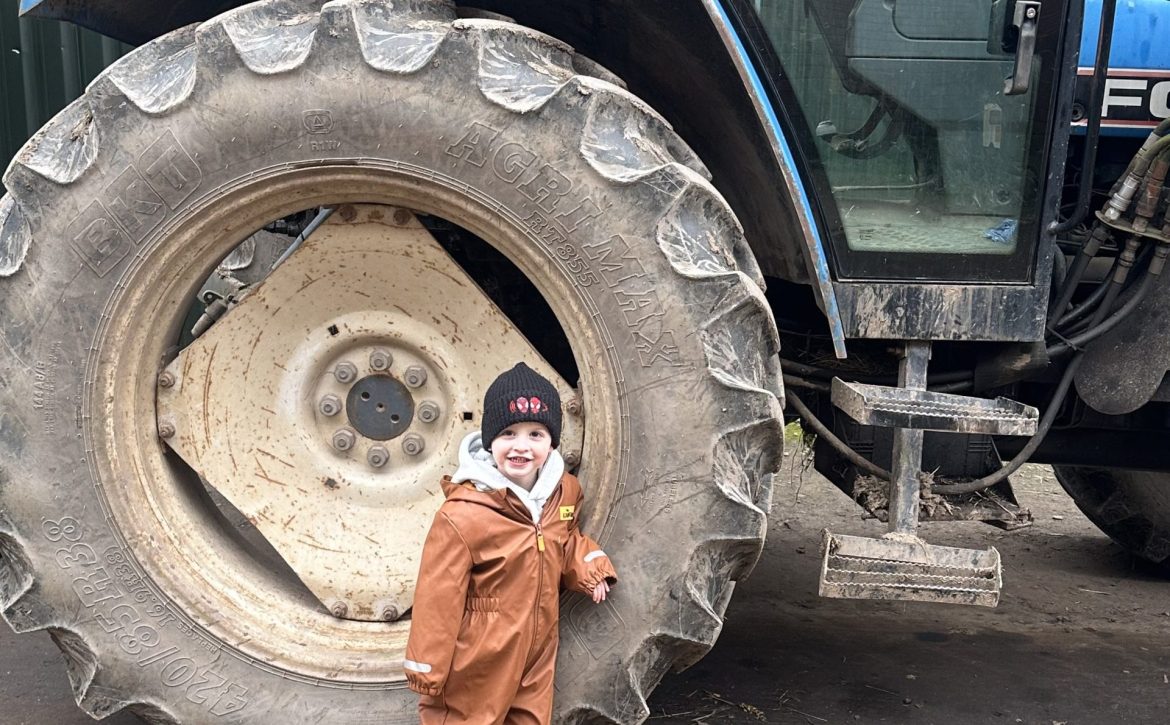
For Caleb, hospital visits have been a regular part of life from a very young age.
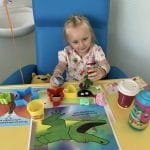
The energetic youngster loves football, riding bikes, playing with toy cars and spending time outdoors. He’s a huge fan of Julia Donaldson stories, especially The Gruffalo and Zog, and can often be found watching Toy Story or enjoying water and sand play during the warmer months.
But Caleb also lives with Tetralogy of Fallot and Spina Bifida, conditions that have required multiple surgeries and ongoing specialist care at Alder Hey.
He has undergone two open-heart operations and spinal surgery, alongside regular appointments with Cardiology, Neurology and Urology teams.
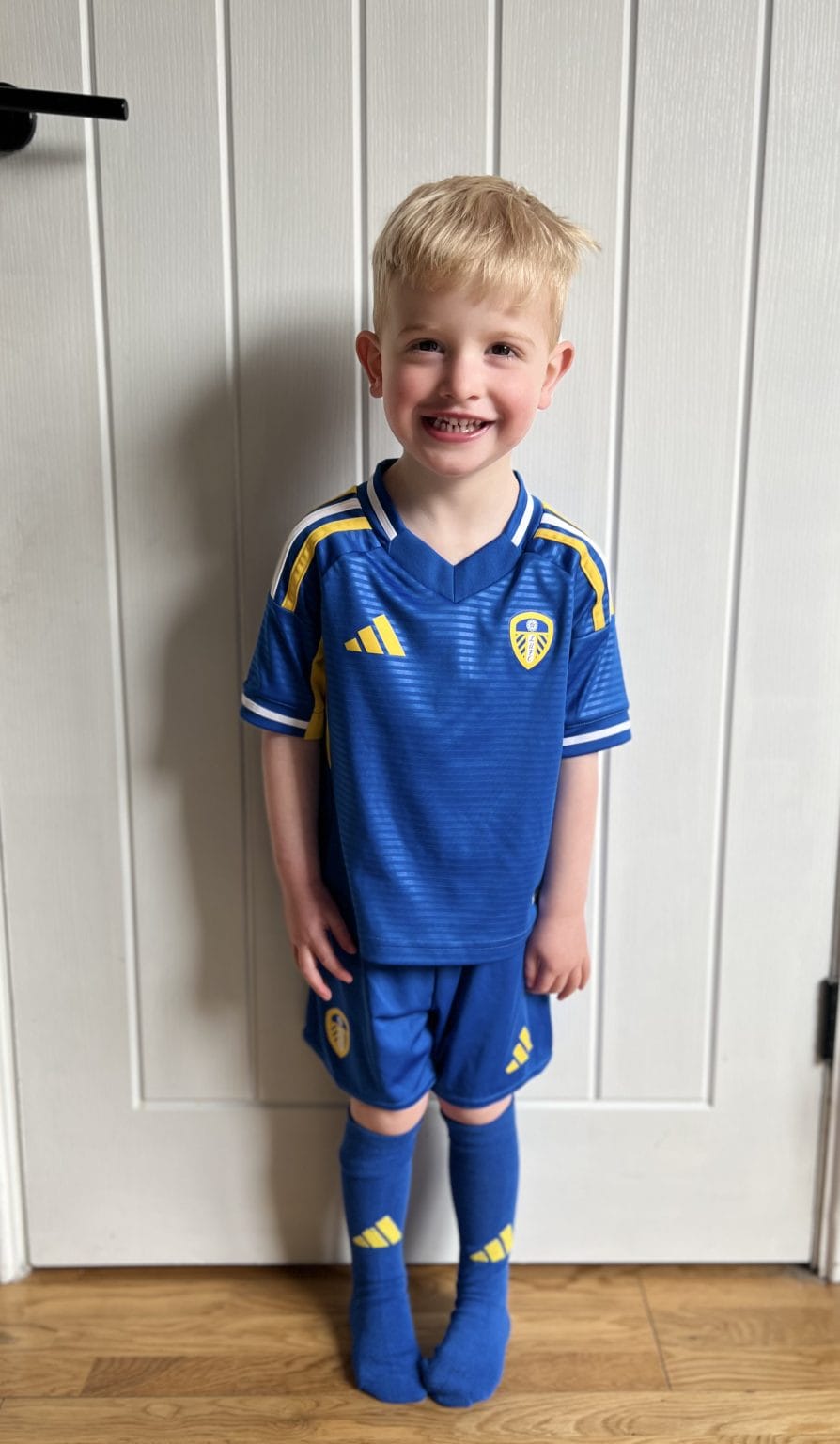
Throughout those hospital stays, play, entertainment and distraction have played a vital role in helping him cope.
“When I’m in hospital, I like walking around the ward, playing with the toys and watching my favourite TV programmes,” says Caleb.
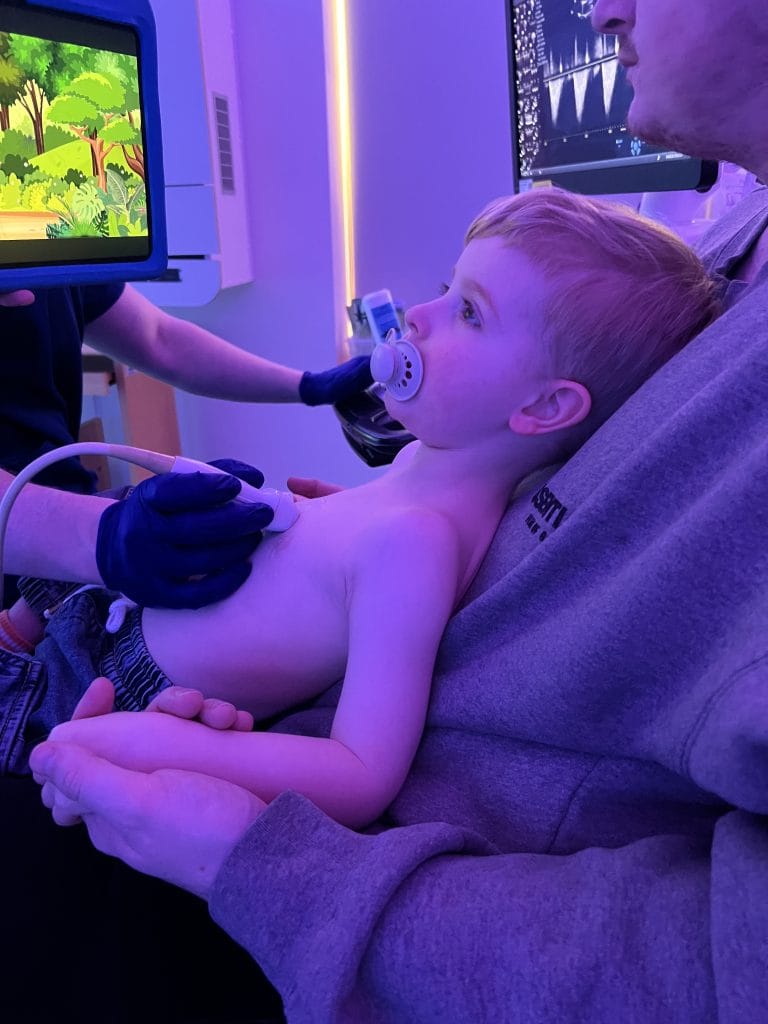
His parents have seen first-hand how much of a difference those moments of normality can make.
“Having TVs, games, music and toys helps reduce stress and anxiety,” they explain. “It makes hospital feel less frightening and helps keep children occupied while they’re recovering.”
For Caleb, entertainment isn’t just about passing the time.
“It helps me when I’m worried,” he says.
Medical procedures can often be stressful for young patients, but familiar programmes can help make them more manageable.
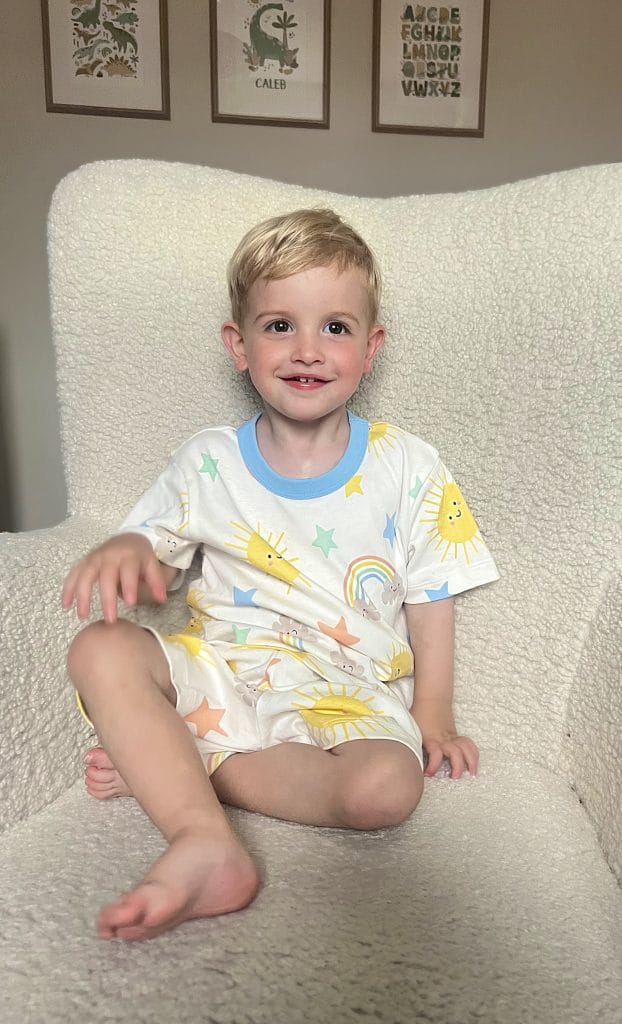
“Having access to a TV or iPad really helped Caleb during his echo scans,” his parents recall. “He could focus on something he enjoyed watching rather than the procedure itself, which he finds distressing.”
The importance of play extends beyond screens too.
One of Caleb’s favourite parts of visiting Alder Hey is spending time with the play team.
“Caleb loves Lorna, his play specialist,” his parents say. “He enjoys exploring hospital equipment, listening to heartbeats and pretending to give Scooby-Doo an ultrasound scan.”
These experiences help transform clinical environments into places where children can learn, explore and feel safe.
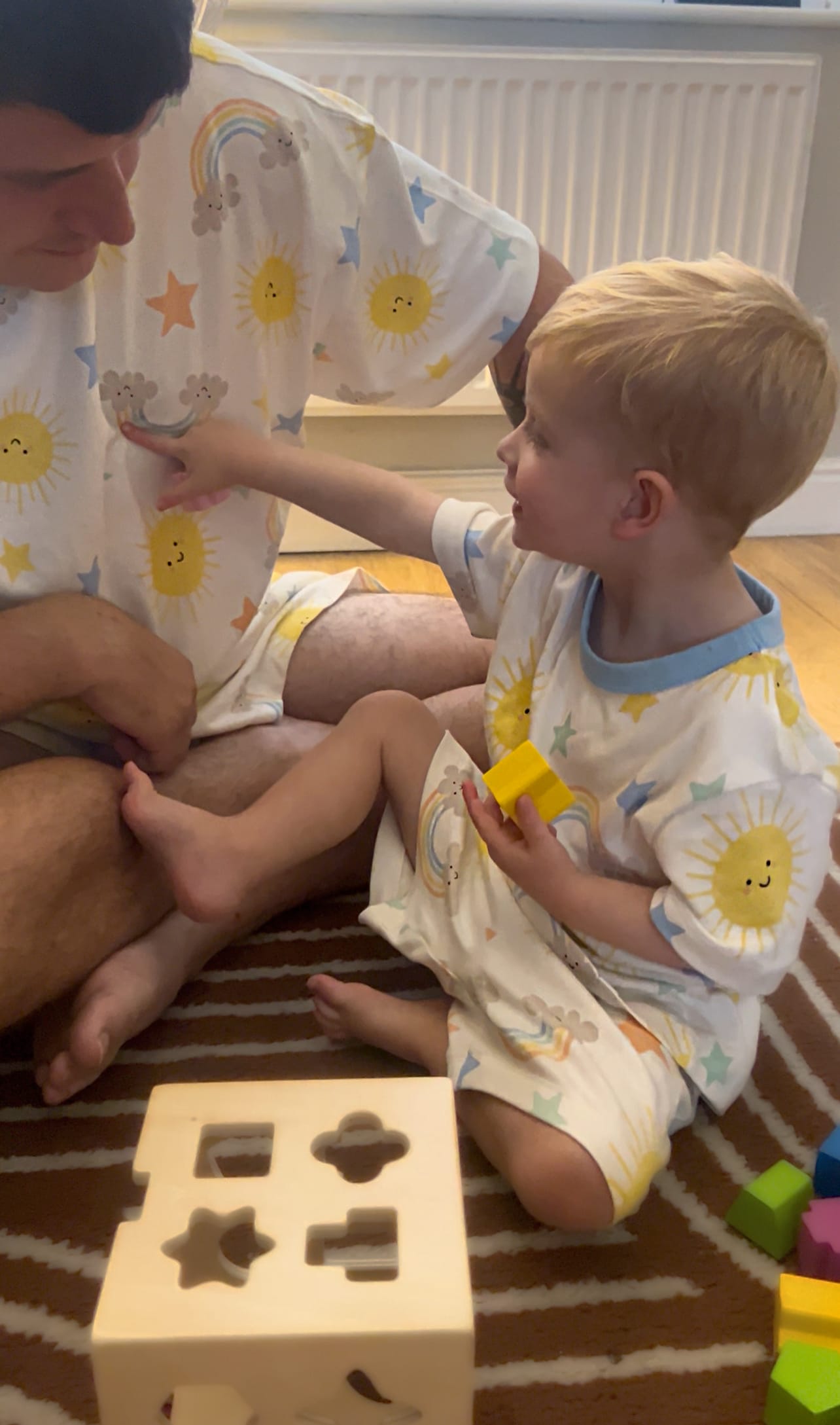
For Caleb’s family, staying connected to loved ones is another crucial part of recovery.
“He loves spending time with family and friends,” his parents explain. “He often FaceTimes his grandparents and loves looking at photos from nursery. Having that sense of normality can really encourage recovery.”
The benefits extend to parents too.
“Seeing Caleb calm and relaxed during a hospital stay has a massive impact on us,” they say. “It reduces our own stress and anxiety because we know he’s comfortable.”
When asked what his ideal hospital entertainment system would look like, Caleb’s family has plenty of ideas: touchscreen technology, educational games, streaming services such as Netflix and BBC iPlayer, and interactive experiences designed specifically for children.
These kinds of improvements could make a huge difference to young patients, particularly those who are confined to bed or recovering from major procedures.
“It’s important to keep children’s minds occupied and engaged,” his parents say. “It helps pass the time and takes their minds off being unwell.”
For families facing long days, difficult procedures and extended hospital stays, modern entertainment technology provides more than distraction. It offers comfort, familiarity and moments of joy when they’re needed most.
As Caleb’s parents put it: “TVs are more than just entertainment. They provide comfort, reduce boredom and help children feel a sense of normality during what can be a very worrying time.”
By supporting Alder Hey Children’s Charity’s appeal, donors can help ensure more children like Caleb have access to those vital moments of comfort, connection and distraction when they need them most.