Women in STEM: Megan Foden, Healthcare Innovation Consultant
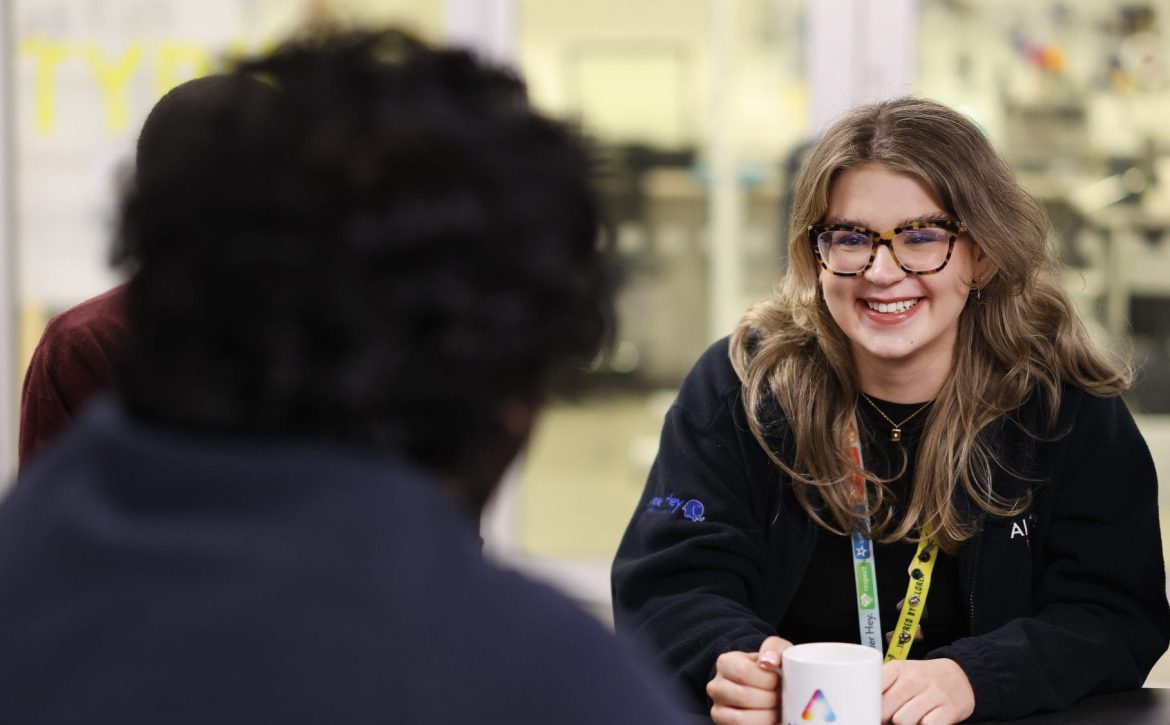
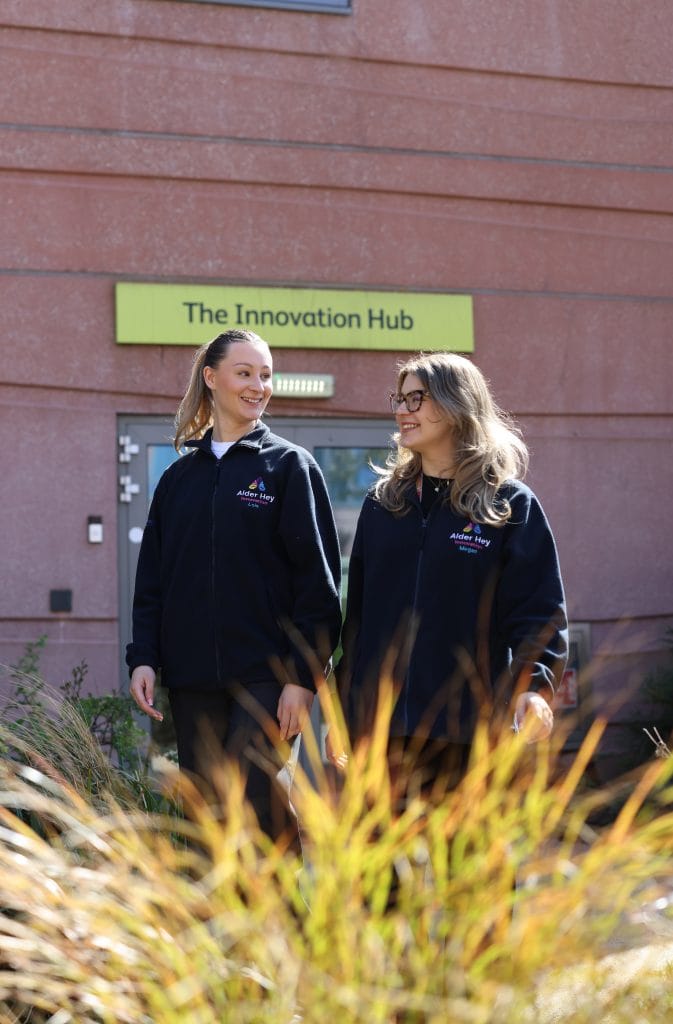
To celebrate Women in STEM Day, we caught up with Megan Foden, Healthcare Innovation Consultant, Associate Programme Manager and Design Lead.
Megan specialises in applying design thinking and user-centred approaches to solve real challenges in children’s healthcare. Working closely with clinicians, families, young people and industry partners, Megan looks to uncover genuine needs, test ideas and shape solutions that make a real difference in the NHS.
What inspired you to want to work in STEM?
“Honestly, I’ve just always been that person who’s thought… why is something like that? I was never someone who liked only one subject and stayed in that lane. I liked overlap. I liked the mix of being analytical and creative at the same time, where you could make something tangible, test it, tweak it, and make it better.
At Uni, I got introduced to design thinking, and that was a real lightbulb moment for me. We learned that empathy isn’t just “being nice”, it’s actually a method. When you can design with people properly, in a structured way, that shapes a solution suitable for real lives.
That really changed how I saw STEM, because suddenly STEM wasn’t just building things or analysing things, it was using those skills to solve problems that actually affect people’s lives. And design thinking kind of adds that extra layer. It’s like you’re not just looking at the problem with a torch, you’ve switched on the flood lights and you can see the context, the root causes, the human bits, and the system around it. Once I saw that link between technical skills, empathy, and impact, I was like, yep, this is what I want to practice everyday.”
What’s your favourite thing about working in paediatric healthcare and innovation generally?
“The pace, definitely. No two days are the same, which I love. You can go from a conversation about a real moment causing friction, to mapping out what’s causing it, to mocking up a quick solution that might be right or wrong! It’s fast and it’s varied, and it feels like you’re constantly moving things forward.
But I think what makes paediatrics special is that you’re never designing for just one person. You’re designing for a child, their family, and the staff delivering care, all at the same time, and all inside a really complex system that’s already under pressure. So you can’t just come in with a cool idea and think that’s enough.”
“I always use this fun example of, ‘How do you make toast?’ because it shows how many different routes there are to the same outcome. You can start with a slice of bread and a toaster and you’re done in two minutes. Or you can go way back and start with flour and make the bread first. Or you could be out there using the sun to toast it if you really wanted. Same end point, totally different start points, methods, time, tools, and people involved for different reasons. Your start point, tools and context change everything.
And innovation in this space is grounding in a good way. It forces you to get underneath what’s going on. What’s the real problem? What’s the root cause? What’s the human experience of it? Because if something only works in a perfect demo, but not on a busy Monday morning in the real world, then it’s not really innovation, is it?
So yeah, I love that mix. The energy and pace, but also the depth. You’re always thinking about people and systems at the same time.”
And finally, what advice would you give to any young person looking for a career in STEM?
“The first thing I’d say is, don’t worry if you don’t fit the typical picture people have of “a STEM person”. Honestly, STEM needs loads of different brains. I studied maths, graphic design, physics and art, and I think that mix is one of the best things I did. Because where disciplines meet is where new things happen. That’s where the interesting ideas live.
So if you’re someone who likes problem-solving but you’re also creative, or you like people as much as you like tech, that’s not a weakness, that’s a strength. STEM needs designers, builders, communicators, dot joiners, and people who ask the questions other people skip.
I’d also say don’t wait until you feel ready, because you’ll never feel fully ready. You’ve just got to start, stay curious, and keep trying. You learn by doing. It’s like when you’re a baby learning to walk. You don’t stand up, fall over once, and decide it’s not for you. You carry naturally on.
And the last thing is, pick something you actually care about. Because when you care, you’ll stick with it. The hard bits feel worth it, because it’s tied to something bigger than just you.”
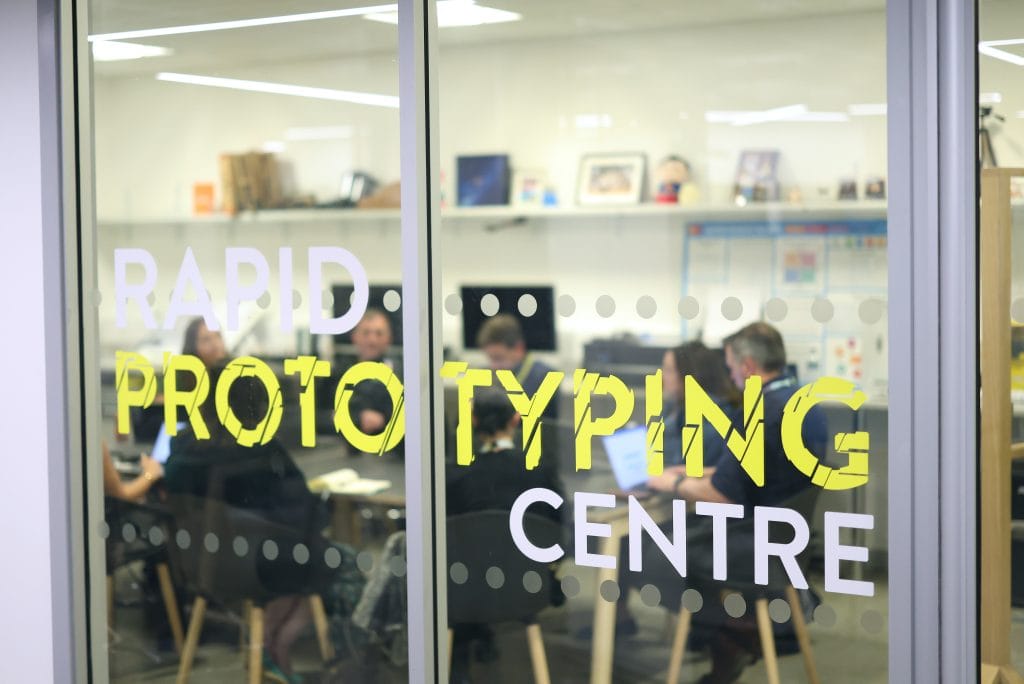
Through the generosity of our donors, Alder Hey Children’s Charity funds much of work that happens in the Innovation Hub here at Alder Hey, working with leading innovators to constantly push the boundaries of what is possible.
From part-funding projects such as Little Hearts at Home and a Speech and Language App, to funding the Clinical Innovation Fellow positions within the team, we invest in people to drive forward key areas of research excellence at Alder Hey.