BIG Wish Appeal – Oliver’s Story
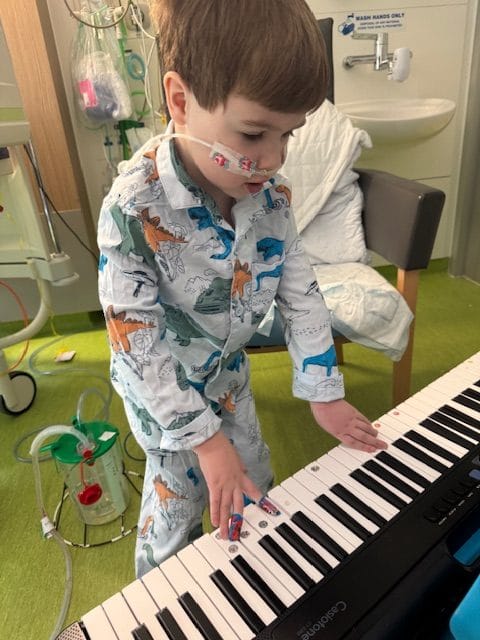
Oliver is five years old and, just like any other little boy, he loves Bluey, horses and music. But unlike 99.97% of children, Oliver has an extremely rare and complex condition called Hypoplastic Left Heart Syndrome (HLHS), a type of congenital heart disease.
In his short life, Oliver has undergone open-heart surgery multiple times – in fact, he has recently had his fifth operation. As a result, he and his family spend a great deal of time at Alder Hey Children’s Hospital, whether on the ward, attending outpatient clinics or preparing for theatre.
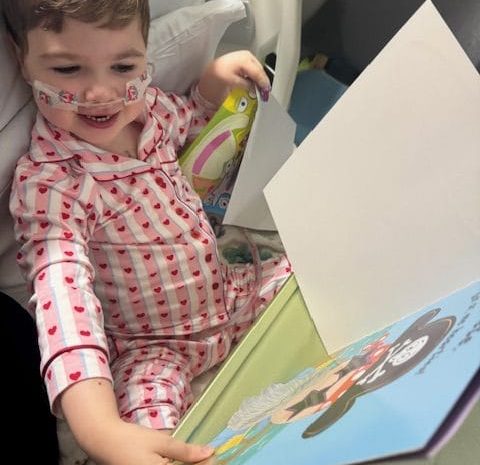
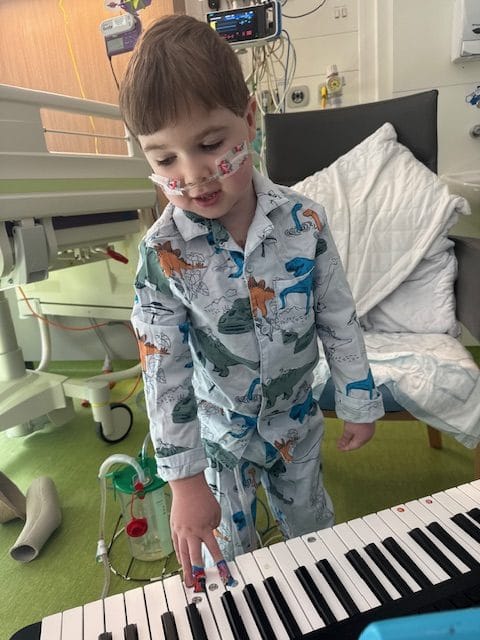
Despite everything he has been through, Oliver genuinely enjoys coming to hospital. That might sound surprising, but thanks to all the magical things Alder Hey provides for children – from toys and play specialists to music therapy – hospital feels like a welcoming place. Whenever he comes for an appointment, he always asks if he can see his “friends”, the nurses.
Television has also played an important role in Oliver’s hospital journey. In the early days following surgery, he was unable to get out of bed and often became frustrated, pulling at wires and kicking out. Having a TV to switch on instantly provided a familiar distraction and helped him focus on something comforting during difficult moments.
When a family spends as much time in hospital as Oliver’s does, comfort and familiarity become incredibly important. One Saturday night, they watched Gladiators together, ordered an Uber Eats and enjoyed an evening that felt remarkably normal. Oliver was excited because, for a few hours, it felt like home and part of his usual routine. In the evenings, once he is asleep, his parents often watch something together with headphones. Moments like these help them unwind, and when parents feel calm and relaxed, that reassurance often helps their child too.
As valuable as the current TVs are, they are now showing their age. On one occasion, the family wanted to screen-share content from their phones, but the technology wouldn’t cooperate. Oliver’s dad had to make a round trip home to collect a Fire Stick so that Oliver could watch his favourite programme – Bluey, of course. The journey took an hour and a half.
Experiences like this highlight why Alder Hey’s BIG Wish Appeal is so important. Time with a child is precious, especially when they are living with a serious health condition. Upgraded, state-of-the-art TVs would make a huge difference to Oliver’s experience, as well as to thousands of other children and families spending time in hospital.
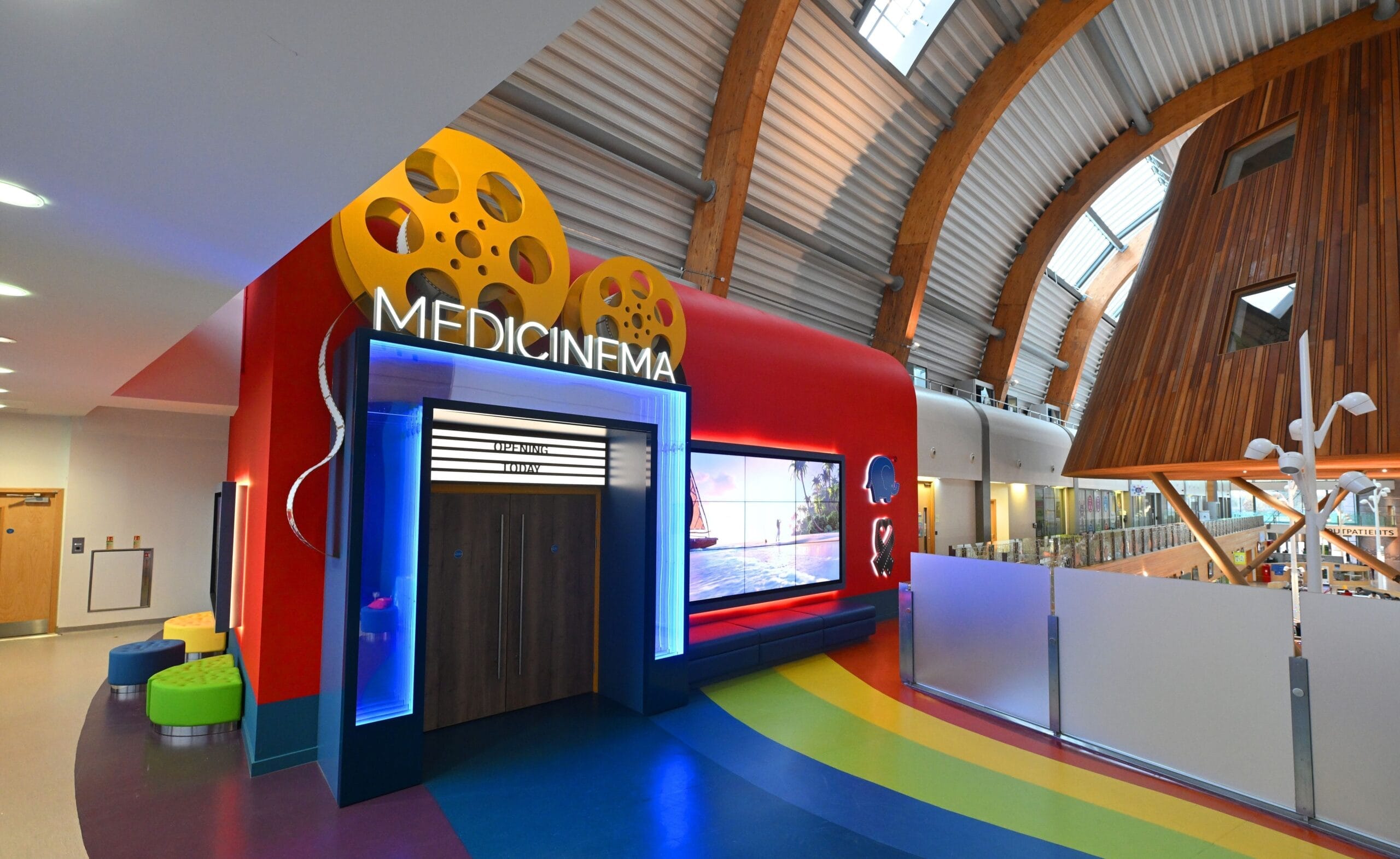
The new TVs will also be able to stream live performances and events taking place around the hospital, such as the Christmas light switch-on, and provide information about films showing at Alder Hey’s own MediCinema.
Oliver attended the MediCinema once but had to leave early because he was in pain. As a result, he now associates the cinema with that difficult experience and currently feels too anxious to return. Being able to watch films and events from the comfort of his room would make a huge difference, not only for Oliver but for other children who are too unwell or unable to leave their beds.
His family also worries about him missing out on important moments in everyday life, particularly at school. The ability to connect with classmates through the TV would be invaluable. His class is planning a video call with him, and being able to join on a larger screen would help him feel included and maintain those important friendships. Even simple things, like watching his school’s ducklings on a live stream, can have a big impact. Often, it is the small moments that matter most.
Another source of comfort for Oliver is Alder Hey’s team of play specialists. They regularly visit with a selection of activities and toys for him to choose from, whether that’s painting, colouring, Play-Doh or crafts. They also provide little rewards, such as fidget toys, when he has blood tests. The distraction works so well that sometimes he barely notices what is happening.
Oliver especially enjoys the craft activities. He has made Easter bonnets and decorated biscuits – all the sorts of things he would normally be doing at school. Hospital can take away much of a child’s sense of control, so being able to choose what he wants to make, play with or create helps give some of that independence back. It allows him to make his own decisions and maintain a sense of normal childhood life, even while receiving treatment.
For Oliver’s parents, the support of the play specialists is equally valuable. Their visits provide a chance to step away briefly – to grab a coffee, freshen up or simply take a moment to recharge – knowing that Oliver is engaged, happy and being cared for.